
Industry-leading insights for your viewing pleasure.

Featured articles
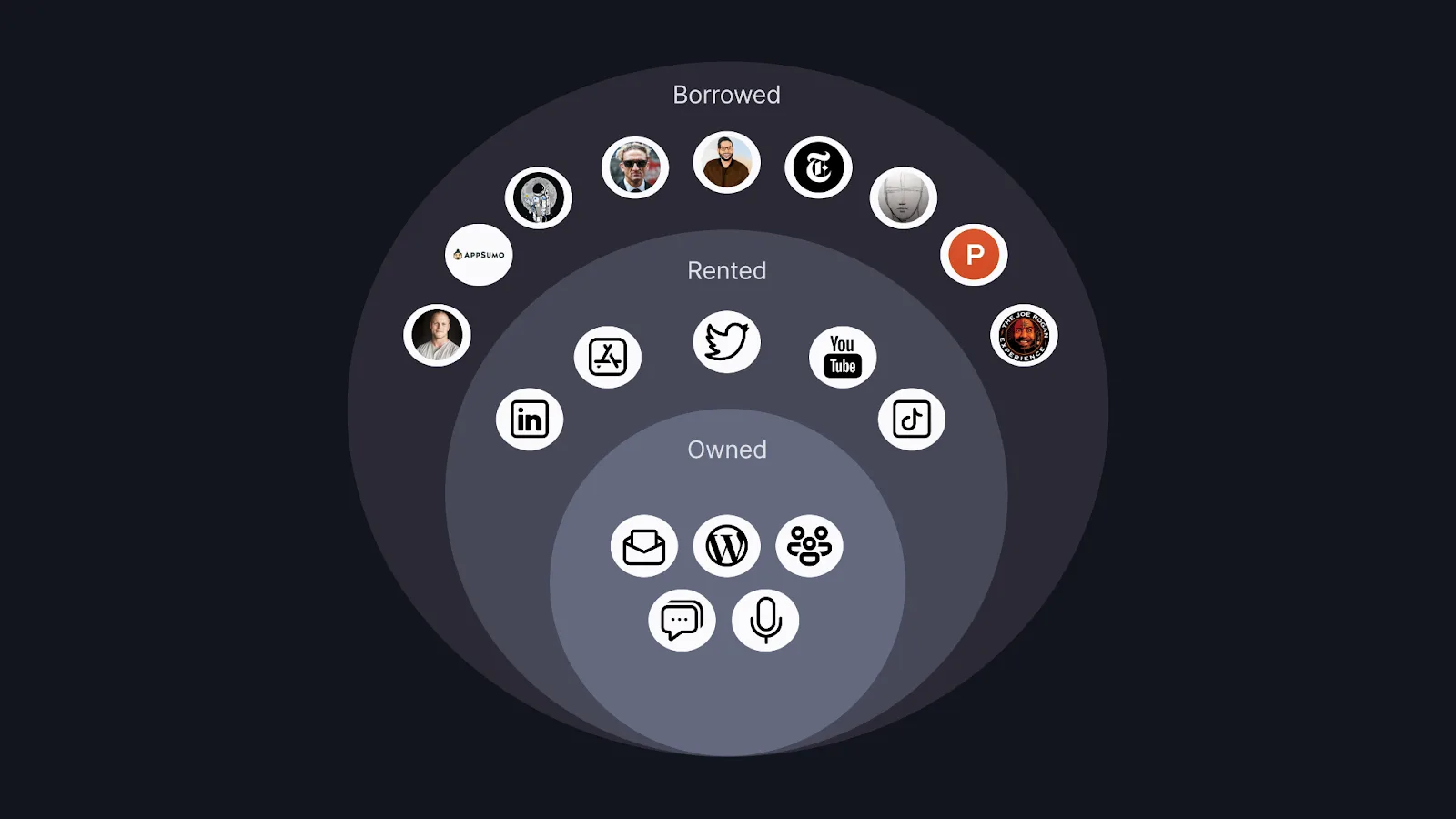
The ORB Framework: A New Way To Think About Marketing Strategy




All articles
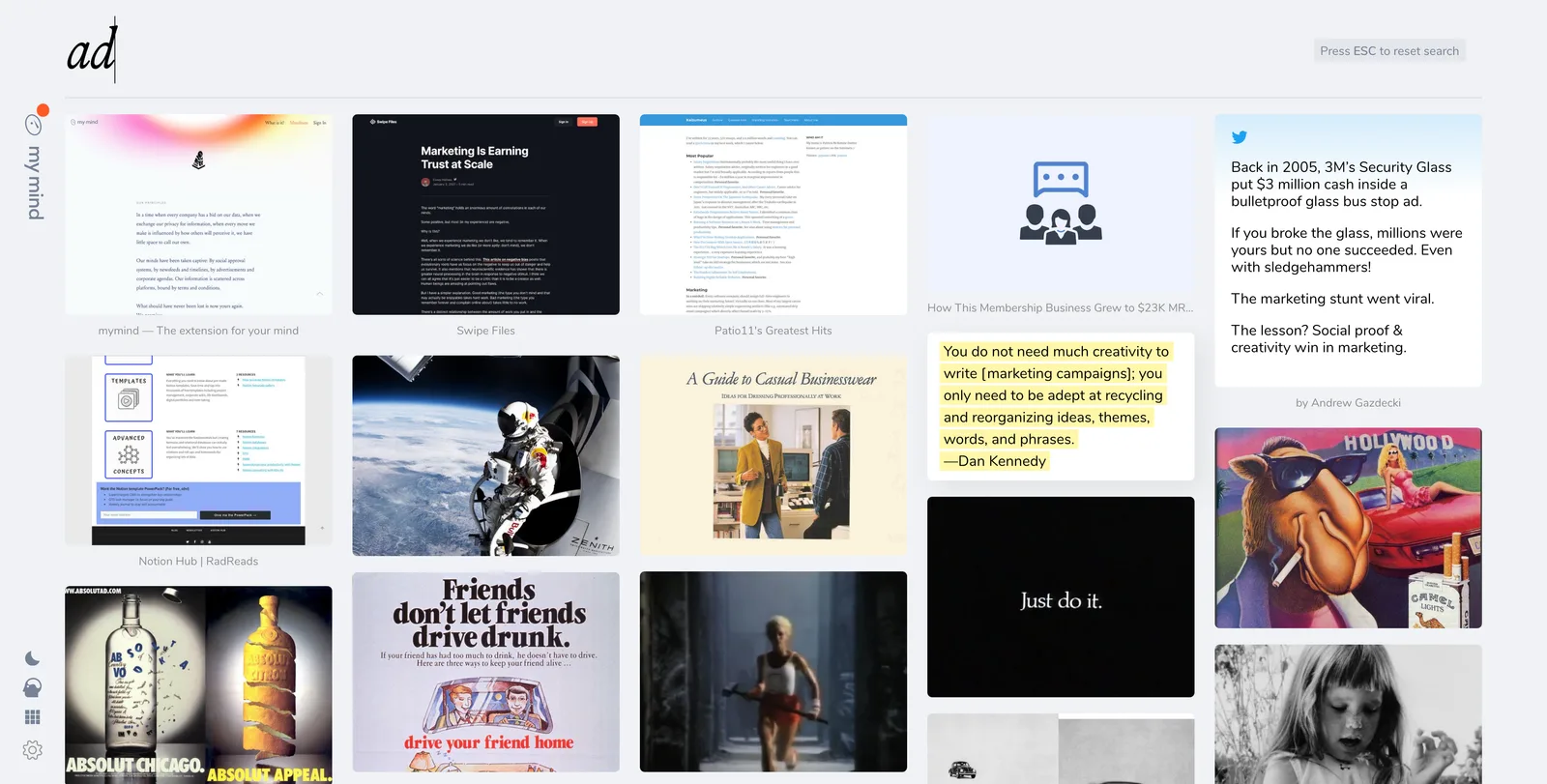
How to Create a Swipe File (8 Easy Ways)
What is a Good LTV:CAC Ratio for SaaS?
How To Create a SaaS Marketing Budget
How to Launch on Product Hunt (Playbook to #1 of the Day)
The ORB Framework: A New Way To Think About Marketing Strategy
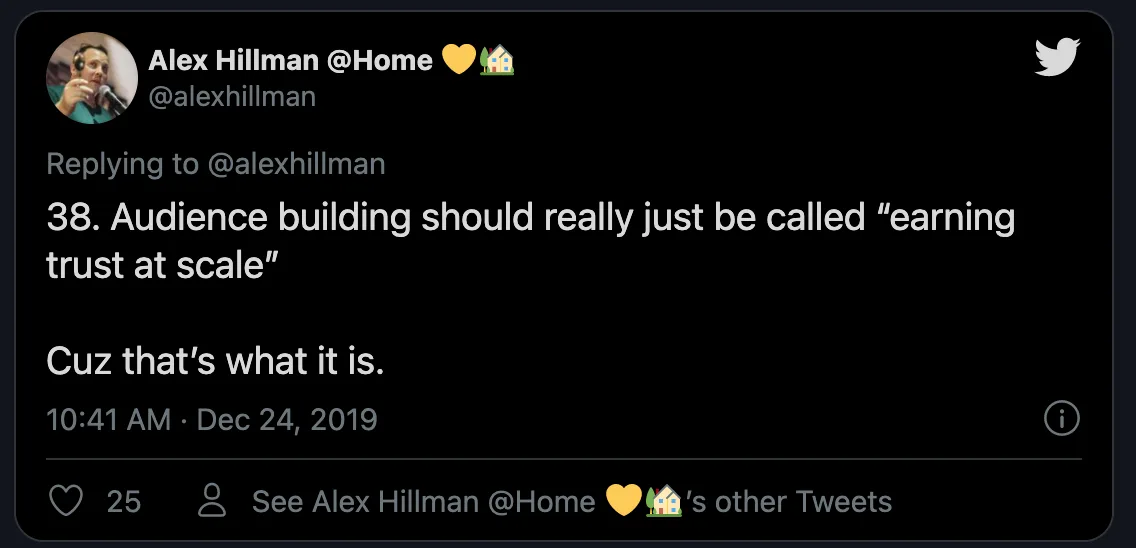
Marketing Is Earning Trust at Scale

Went through your presentation of Ali Abdaal's academy page and used the insights gained from that to write sales copy for my own course. This stuff is worth every penny you're charging man! Keep up the good work. I hope you leverage it and many more people come across this.

One of my ace colleagues @jenchinifer has been chatting with #ProductMarketing pros & sharing her bite-sized learnings to the #MarketingTwitter verse. Follow along for all her juicy takeaways @coreyhainesco

Really enjoy the Swipefiles breakdowns

If you're not signed up to @coreyhainesco's swipe files newsletter, you really are missing out.

Thanks so much for your time & advice, @coreyhainesco! Loved hearing about your personal growth journey and can't wait to join the @SwipeFilesco

You need Swipe Files in your life 👇🏾 @coreyhainesco

Thanks for sharing your knowledge and helping others. Anyone looking for marketing and copywriting examples, please check out @SwipeFilesco

I'm learning a lot from @coreyhainesco's Swipe Files newsletter. Solid content and great name too!

Y'all, @coreyhainesco is one of the smartest marketers on Twitter. I continually learn so much from him about SaaS and growth strategy. Check out his SwipeFiles community for solid teardowns on what is working in marketing.

Another great marketing newsletter with swipe files you can use for your own projects. Give it a sub.

Using swipefiles by @coreyhainesco (thanks Corey for making this available) I was able to quickly find a landing page that I want to model some principles after. I took this and broke into two steps. Now I quickly had the framework for my page. 😁

Learn marketing easy with @coreyhainesco
is doing something fabulous for the online marketing community here, why not grab a 7-day free trial?

🔥 Signed up for @coreyhainesco newsletter recently and it's amazing! s

I’m really enjoying the community. It’s one for the few active groups I’m aware of that is really trying to support each other. Great mix of talented people.

My guy @coreyhainesco is about to hit 100 members in his SwipeFiles community. 👀 Lots of awesome content, discussion, and plotting happening over there.

Swipe Files' latest email on Intercom's Updates page is really cool. @coreyhainesco makes the case why every product update should belong on a page. That's why I love it when his newsletter hits my mailbox. It's 🔥

Community: feeling of fellowship with others, as a result of sharing common attitudes, interests, and goals. SwipeFiles is such an amazing place with people I am proud to share ideas, challenges, & laughs. Come join us. Thank you @coreyhainesco! Community rocks. 💜

Got a pro account at swipefiles.co. Worth every penny!
Yo!!! Check out SwipeFiles! @coreyhainesco Has some great information to share. 🤯

Signed up for @coreyhainesco newsletter recently and it's 🔥

🔥 Signed up for (the) newsletter recently and it's amazing!

Joined @coreyhainesco's Swipe Files for some new inspiration for my side-project: @SurgesReviews. Always learning. Turns out the marketing community there is a great way to stay accountable too. swipefiles.co

You seein' this sh*t?! @coreyhainesco does these 🔥 marketing breakdowns in the SwipeFiles newsletter. If you're not on the list, you're missing out.

We just discovered Swipe Files and are sharing the secret with you. Swipe Files is a carefully selected library of excellent marketing and copywriting examples with a breakdown as to what makes them so compelling.

@coreyhainesco's swipe files is some of the most interesting marketing material out there. Check it out

I just signed up on this awesome website! Cool marketing stuff!

🔥 Signed up for newsletter recently and it's amazing! Growth friends—you might like it!

If you've been meaning to get into marketing/growth hacking, I HIGHLY recommend the Swipefiles newsletter. Every couple of days you get a good marketing inspiration & breakdown.

Have been absolutely loving @coreyhainesco Swipe Files mailer recently. So interesting.
Swipe the best SaaS homepages
Grab our hand-picked collection of homepages proven to convert.